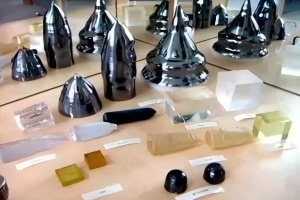
The Captivating World of Artificial Stone

Introduction:

In this intriguing piece, we delve into the captivating world of artificial stone. With its remarkable combination of artistry, durability, and versatility, artificial stone has revolutionized the way we approach architectural design and interior décor. As we explore the various facets of this remarkable material, prepare to be enchanted by its beauty and awed by its potential.


1. Unveiling the Essence of Artificial Stone:
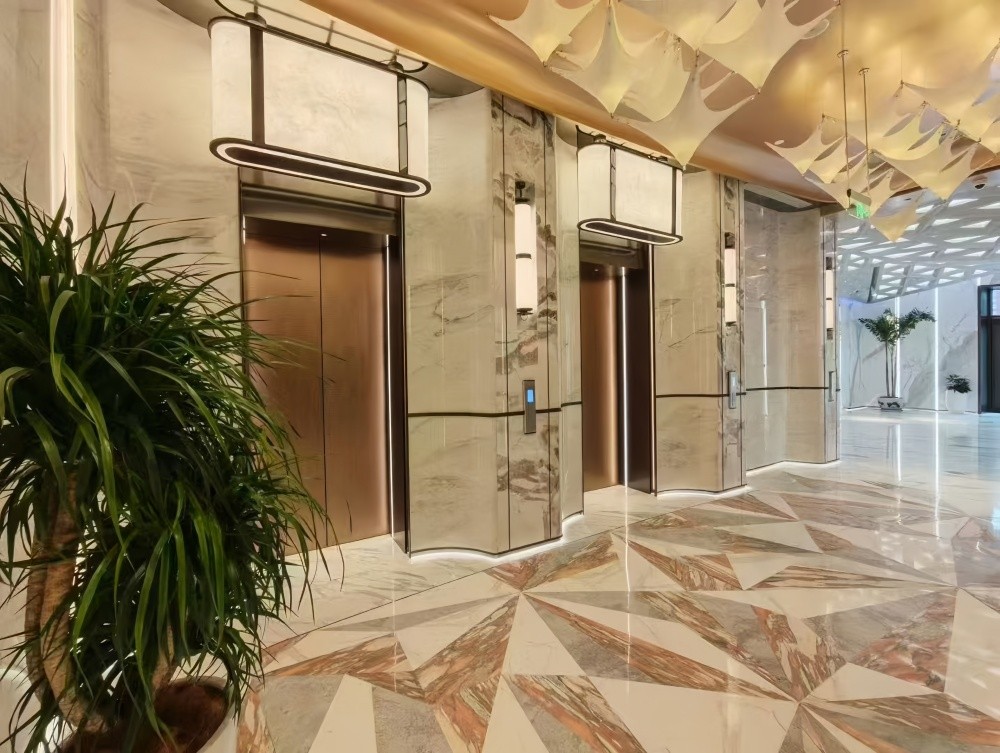
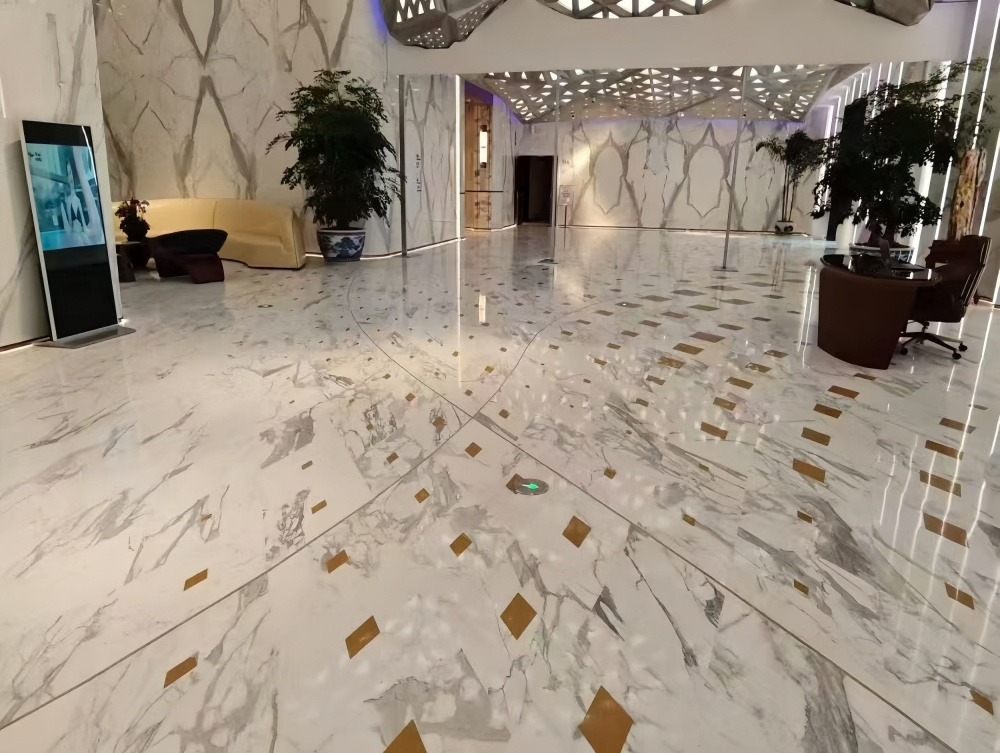
Artificial stone, also known as engineered or composite stone, is a marvel of innovation in construction and design. Crafted from a blend of natural aggregates, resins, and pigments, it bears an uncanny resemblance to its natural counterparts while offering unique characteristics and advantages. Its origin may be artificial, but its impact is undeniably real.

2. The Artistry in Every Detail:
One of the most fascinating aspects of artificial stone lies in the meticulous craftsmanship that goes into its creation. Skilled artisans carefully select and arrange the aggregates, paying meticulous attention to color, texture, and proportion. Each slab is a work of art in itself, ensuring that no two pieces are exactly alike.

3. Endless Design Possibilities:
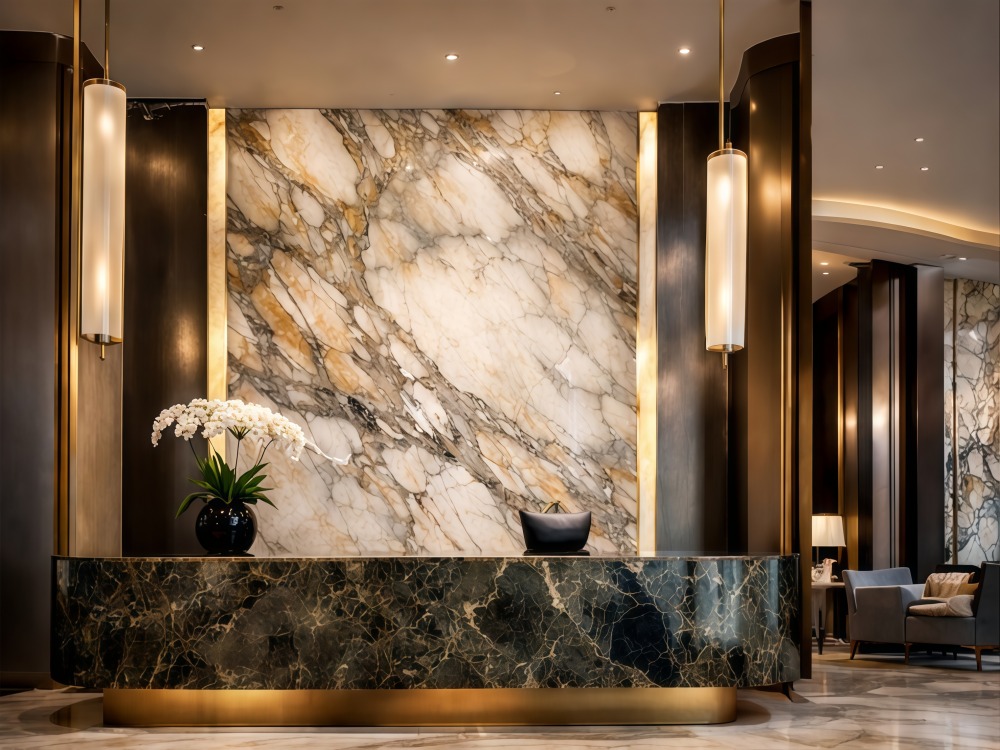
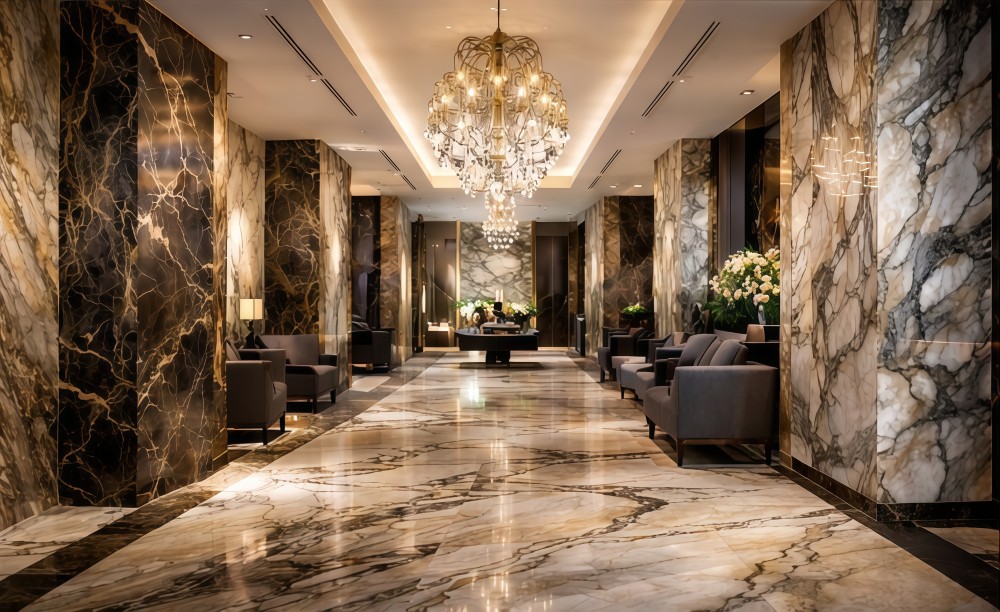
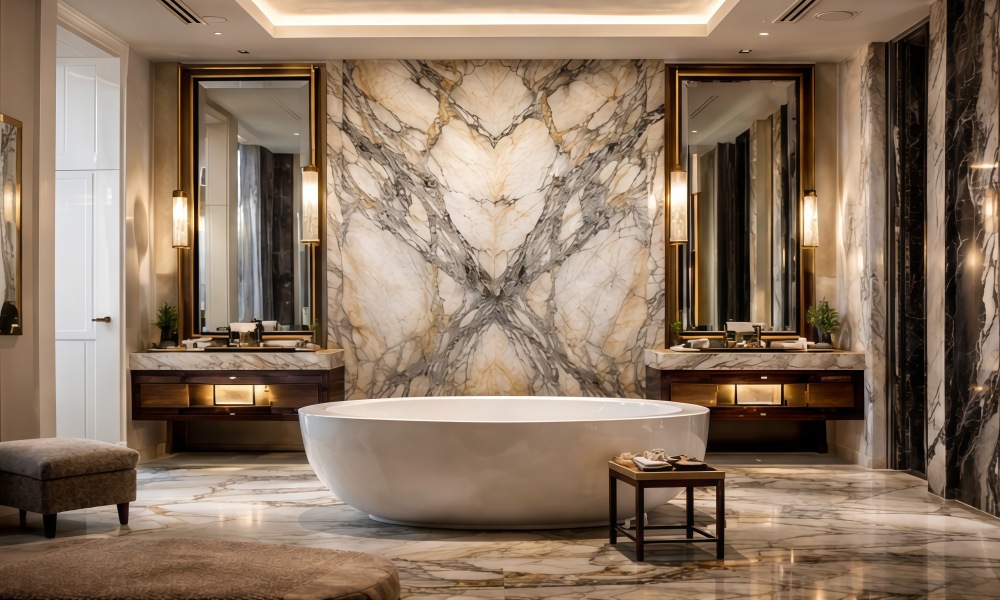
Artificial stone opens up a world of infinite design possibilities, bringing dreams to life. Whether you envision a sleek, modern kitchen or a rustic, rugged fireplace, this versatile material can be molded and shaped to match your aesthetic vision. From elegant countertops to stunning wall cladding, artificial stone lends a touch of sophistication to any space.

4. Uncompromising Durability:
Beyond its aesthetic appeal, artificial stone boasts exceptional durability. Engineered to withstand the test of time, it resists scratches, chipping, and staining, making it ideal for high-traffic areas. With proper care, artificial stone surfaces can maintain their pristine beauty for years to come, ensuring a long-lasting investment.

5. Sustainable and Eco-Friendly:
In an era when environmental consciousness is paramount, artificial stone offers a sustainable alternative to natural stone. By utilizing recycled materials and reducing energy-intensive extraction processes, it minimizes its ecological footprint while still providing the same allure and elegance.


Conclusion:

As we conclude our exploration of the enchanting realm of artificial stone, we are left in awe of its ability to captivate our senses and transform our living spaces. With its artistic craftsmanship, limitless design possibilities, and enduring durability, artificial stone emerges as a true symbol of innovation and refined beauty. Embrace this extraordinary material and let it pave the way to a world of elegance and sophistication in your own home or project.

There are some regular types of artificial stone, like artificial marble, engineered quartz, agglo stone, nano glass, terrazzo stone, sintered stone etc.


READ MORE >

The Future of Engineered Stone Trends, Advantages, and Innovations

The Future of Engineered Stone: Trends, Advantages, and Innovations

Engineered stone has become a key material in the construction and interior design industries, widely recognized for its versatility and durability. As technology continues to advance and market demands evolve, the future of engineered stone is poised for significant development. In this article, we will explore the advantages and disadvantages of engineered stone and discuss the technological innovations that may impact the industry.


High-end engineered stone exporter


Advantages of Engineered Stone

  1. Diverse Design and Customization
    One of the most notable advantages of engineered stone is its design flexibility and customization potential. With advanced manufacturing processes, a wide variety of colors, textures, and patterns can be produced to meet the aesthetic demands of any project. For example, quartz countertops are popular due to their extensive color options and consistent appearance. Engineered stone offers greater adaptability to modern architectural designs compared to natural stone.

  2. Durability and Low Maintenance
    Engineered stone is often more durable than natural stone, with superior stain and scratch resistance. This makes it an ideal choice for high-traffic areas like kitchen countertops and bathroom vanities. Additionally, engineered stone requires minimal maintenance, typically needing only simple cleaning to maintain its appearance, unlike natural stone which may require regular sealing or waxing.

  3. Environmental Sustainability
    As environmental awareness grows, both consumers and businesses are increasingly opting for sustainable engineered stone products. Modern production techniques can reduce the consumption of natural resources and minimize the carbon footprint by incorporating recycled materials and eco-friendly practices. This makes engineered stone an ideal choice for projects focused on sustainability.

Disadvantages of Engineered Stone

  1. Lack of Natural Aesthetic
    While engineered stone offers diverse design options, it cannot fully replicate the unique natural beauty of materials like marble or granite. The natural variations in color and pattern found in these stones are a result of geological processes, giving them an unmatched authenticity that engineered stone struggles to emulate. This is one reason why some high-end projects continue to prefer natural stone.

  2. Perception Challenges in the High-End Market
    Although engineered stone performs well in mid-range markets, it faces perception challenges in the luxury segment. Many consumers still associate natural stone with premium quality and luxury, making it the preferred choice for high-end residential and commercial projects. Overcoming this perception barrier is essential for engineered stone to gain more acceptance in the luxury market.


Advanced engineered stone materials


Technological Innovations Impacting the Industry

  1. New Materials and Processes
    The engineered stone industry is undergoing a revolution with the introduction of new composite materials and manufacturing processes. The integration of nanotechnology and advanced fillers can enhance the antimicrobial and stain-resistant properties of engineered stone, making it more suitable for kitchens and healthcare environments. Additionally, advancements in digital printing technology allow for more realistic and varied patterns, narrowing the aesthetic gap between engineered and natural stone.

  2. Smart Manufacturing and Customization
    With the rise of smart manufacturing technologies, the production of engineered stone has become more automated and efficient. This not only reduces production costs but also makes mass customization possible. Consumers can now choose their preferred colors, textures, and sizes through digital platforms, with the ability to preview the final product before placing an order. This level of customization is expected to drive significant growth in the engineered stone market in the coming years.

  3. Sustainability and Green Technologies
    To meet stricter environmental regulations and growing consumer demand for eco-friendly products, the engineered stone industry is adopting new green technologies. This includes the use of renewable energy in production, zero-emission processes, and the development of fully recyclable engineered stones. As the circular economy concept gains traction, the reuse of discarded engineered stone products is also becoming a focus of industry innovation.

READ MORE >

The Rise of Silica-Free Quartz A Safer, Sustainable Choice for Modern Interiors

The Rise of Silica-Free Quartz: A Safer, Sustainable Choice for Modern Interiors

In recent years, there has been a growing demand for safer and more sustainable materials in the construction and interior design industries. Among these innovations, silica-free quartz surfaces have emerged as a revolutionary product, offering a healthier and environmentally friendly alternative to traditional quartz surfaces. In this blog, we’ll explore what silica-free quartz is, its benefits, and why it’s becoming a popular choice for homeowners, designers, and builders alike.


Silica-Free Quartz Countertops


What is Silica-Free Quartz?

Silica-free quartz is an engineered stone product that does not contain crystalline silica, a component found in traditional quartz surfaces. Crystalline silica, while contributing to the durability and strength of quartz, poses significant health risks when inhaled as dust, which can occur during cutting, grinding, or polishing. Prolonged exposure to silica dust can lead to serious respiratory issues, including silicosis, a debilitating lung disease.

Silica-free quartz is designed to eliminate these risks by using alternative materials that provide the same durability, aesthetic appeal, and versatility without the health hazards associated with silica dust.

Benefits of Silica-Free Quartz

  1. Health and Safety

    The primary advantage of silica-free quartz is the significant reduction in health risks. Without crystalline silica, this material ensures safer working conditions for fabricators, installers, and anyone involved in the handling of the stone. Additionally, homeowners benefit from knowing that their surfaces are free from harmful components, making it a healthier choice for indoor environments.

  2. Sustainability and Environmental Impact

    Silica-free quartz is often produced with a strong focus on sustainability. The manufacturing process typically involves the use of recycled materials and eco-friendly practices, reducing the environmental footprint. This aligns with the growing trend toward sustainable building materials, making silica-free quartz an excellent option for green building projects and eco-conscious consumers.

  3. Durability and Aesthetic Versatility

    Despite the absence of crystalline silica, silica-free quartz surfaces retain the durability and resilience that quartz is known for. They are resistant to scratches, stains, and heat, making them ideal for high-use areas such as kitchen countertops and bathroom vanities. Additionally, silica-free quartz is available in a wide range of colors, patterns, and finishes, allowing for endless design possibilities that suit any style.

  4. Low Maintenance

    Like traditional quartz, silica-free quartz surfaces are non-porous, which means they do not require sealing and are highly resistant to bacteria and mold growth. This makes them easy to clean and maintain, providing long-lasting beauty with minimal effort.


Benefits of Silica-Free Quartz


Applications of Silica-Free Quartz

Silica-free quartz can be used in a variety of residential and commercial applications, including:

  • Kitchen Countertops: Providing a safe, durable, and stylish surface for one of the most used spaces in the home.
  • Bathroom Vanities: Offering a sleek and hygienic option for bathrooms.
  • Commercial Interiors: Ideal for restaurants, hotels, and retail spaces where aesthetics, durability, and safety are paramount.
  • Outdoor Kitchens: Durable and weather-resistant, making it a great choice for outdoor environments.


Safe Engineered Stone Surfaces


Why Choose Silica-Free Quartz?

As awareness of the health risks associated with crystalline silica grows, so does the demand for safer alternatives. Silica-free quartz is not just a trend; it’s a response to the need for materials that prioritize health, safety, and sustainability. For those looking to create beautiful, functional, and environmentally responsible spaces, silica-free quartz offers a compelling solution.

Whether you’re a homeowner planning a kitchen remodel, a designer looking for innovative materials, or a builder focused on sustainable construction practices, silica-free quartz is worth considering. It combines the best aspects of traditional quartz with the added benefits of health and environmental consciousness, paving the way for a safer and more sustainable future in design.

READ MORE >

Timeless Beauty of Wood Grain Marble for Your Interior Design

Discover the Timeless Beauty of Wood Grain Marble for Your Interior Design


Wood grain marble, known for its natural and elegant appearance, is becoming an increasingly popular choice for both residential and commercial interior design projects. Combining the aesthetic warmth of wood with the durability and luxury of marble, this unique stone offers a perfect balance between functionality and style. In this article, we will explore the key benefits of wood grain marble and why it should be your go-to choice for your next project.


Wood grain marble kitchen countertop


What is Wood Grain Marble?

Wood grain marble, also known as wood vein marble, is a natural stone characterized by its linear, wood-like veins and patterns. Unlike traditional marble, which often features swirls or waves, wood grain marble mimics the natural textures and colors of wood, offering a sophisticated, nature-inspired aesthetic. It is available in a variety of shades, from light beige and gray to rich browns, making it a versatile option for different design styles.

Why Choose Wood Grain Marble?

1. Unique Aesthetic Appeal

Wood grain marble offers a distinctive look that combines the organic warmth of wood with the timeless elegance of marble. Its natural veining patterns give it a rustic yet refined appeal, perfect for creating a modern or classic look in any space. Whether you’re aiming for a minimalist design or a luxurious feel, wood grain marble can seamlessly fit into your vision.

2. Durability for High-Traffic Areas

One of the primary reasons homeowners and designers opt for marble is its exceptional durability. Wood grain marble, like other types of marble, is resistant to scratches, stains, and heat, making it an ideal material for high-traffic areas such as kitchens, living rooms, and commercial spaces. With proper care, it can maintain its beauty for years, even in the most demanding environments.

3. Versatile Applications

Wood grain marble is incredibly versatile and can be used in various applications throughout the home or office. It’s an excellent choice for:

  • Flooring: Its natural patterns add depth and texture to any room.
  • Countertops: Perfect for kitchen islands or bathroom vanities, providing both beauty and practicality.
  • Wall Cladding: Create stunning feature walls or fireplace surrounds that become the focal point of your space.

4. Eco-Friendly and Sustainable

As a natural stone, wood grain marble is an environmentally friendly option for those looking to incorporate sustainable materials into their home or office design. Unlike synthetic materials, marble is sourced from the earth and requires minimal processing, reducing its carbon footprint.


Luxury wood grain marble flooring ideas


How to Care for Wood Grain Marble

Despite its durability, wood grain marble still requires proper maintenance to keep it looking its best. Here are a few tips to ensure its longevity:

  • Seal Regularly: Applying a sealant every 6-12 months helps protect the surface from stains and moisture.
  • Clean with Mild Soap: Avoid harsh chemicals that can damage the stone. Use a mild soap and water solution to clean the surface.
  • Wipe Spills Immediately: Marble is porous, so it’s important to wipe up spills quickly to prevent staining, especially from acidic substances like lemon juice or wine.

By following these simple steps, you can keep your wood grain marble looking as stunning as the day it was installed.

Popular Design Ideas with Wood Grain Marble

Wood grain marble is a favorite among designers because of its adaptability to various design themes. Here are a few ideas to inspire your next project:

  • Rustic Elegance: Pair wood grain marble with natural wood elements and earthy tones to create a warm, rustic interior.
  • Modern Minimalism: Use light-colored wood grain marble in combination with sleek, modern furniture for a minimalist, contemporary look.
  • Luxury Spa Bathrooms: Create a serene, spa-like atmosphere in your bathroom with wood grain marble countertops and wall cladding, complemented by soft lighting and natural textures.


Natural stone wood vein marble bathroom designs


Wood grain marble offers a unique blend of beauty, durability, and versatility, making it an excellent choice for any interior design project. Its natural wood-like patterns, combined with the strength and luxury of marble, provide a sophisticated yet practical solution for floors, countertops, and wall applications. Whether you are renovating a home or designing a commercial space, wood grain marble can elevate the aesthetic and value of any environment.

Ready to explore the possibilities with wood grain marble? Contact us today to learn more about our range of natural stone products and discover the perfect marble for your project. We offer a wide selection of colors, patterns, and finishes to suit every design vision.

READ MORE >

What is Artificial Stone Made Of ? why choose Aoli stone?

shiny surfaces with quartz and marble aggregates


What is Artificial Stone Made Of? Understanding the Composition of a Modern Marvel

When it comes to choosing the right materials for your home or commercial space, one material is making waves for its beauty, versatility, and sustainability—and that’s artificial stone. Whether you’re redesigning your kitchen countertops or enhancing your bathroom with elegant surfaces, artificial stone is often the perfect solution. But what exactly is it made of, and what makes it so popular? Let's break it down.

What is Artificial Stone?

Artificial stone, also known as engineered stone, is a man-made composite material designed to mimic the natural beauty of stone while offering superior durability and versatility. It is created by combining natural minerals like quartz, marble, or granite, with resins, pigments, and other bonding agents. The result is a product that combines the best of nature and advanced engineering to create surfaces that are not only stunning but also incredibly functional.

----------------------------------------------------------------------------------------------


The Key Components of Artificial Stone

Now that we know what artificial stone is, let’s dive into the materials that make it so special. The main components typically include:


  1. Natural Stone Aggregates: The base of artificial stone is made from finely crushed natural stones. These aggregates often include quartz, marble, granite, and sometimes recycled materials like glass. Quartz, in particular, is prized for its durability and resistance to stains, making it a popular choice in the production of engineered stone surfaces.

  2. Resins: The aggregates are mixed with high-quality resins—usually polyester or epoxy—to bind them together. These resins give artificial stone its smooth, glossy finish and contribute to its strength and resilience. They also help in enhancing the material’s resistance to moisture, making it suitable for high-use areas like kitchens and bathrooms.

  3. Pigments: One of the key features of artificial stone is its ability to be customized in terms of color and pattern. Pigments are added to give the material a wide variety of hues, from classic whites and creams to bold colors or even the sophisticated veining patterns you often see in marble. These pigments allow manufacturers to create endless design possibilities, ensuring that artificial stone can fit into any style, whether it’s modern, rustic, or contemporary.

  4. Additives: In some cases, manufacturers also incorporate additional materials like glass or mirrors into the mix, which can add depth, texture, and a unique aesthetic to the stone’s appearance. These elements can also contribute to the stone’s eco-friendly appeal, especially when using recycled glass.

----------------------------------------------------------------------------------------------------------------

glossy artificial stone vanity top with contemporary fixtures


Applications of Artificial Stone

Artificial stone is as versatile as it is durable. Here are a few of the most popular ways it is used:

  • Countertops: Whether in kitchens or bathrooms, artificial stone is the top choice for countertops due to its resistance to stains, scratches, and heat. Its beautiful aesthetic makes it the perfect addition to any modern home.

  • Wall Cladding: Artificial stone adds texture and elegance to interior and exterior walls. It can transform the look of your living room, lobby, or office space with minimal maintenance.

  • Flooring: Artificial stone’s durability makes it ideal for both residential and commercial flooring. With its seamless finish, it’s a favorite for high-traffic areas that need a durable surface that looks good and performs well.

  • Vanities and Backsplashes: In the bathroom, artificial stone is often used for vanity tops and backsplashes. Its water-resistant nature ensures long-lasting beauty in moisture-rich environments.


a kitchen, highlighting intricate patterns with quartz and recycled glass


------------------------------------------------------------------------------------------------------------

Why Choose Us for Your Artificial Stone Needs?

At Aoli Stone, we specialize in providing high-quality artificial stone for a wide range of applications. Whether you're looking to renovate your kitchen, design a commercial space, or add some luxury to your bathroom, our selection of engineered stone products offers something for every need and budget.


With an extensive collection of artificial marble, quartz, and other artificial stones, we pride ourselves on delivering top-notch products that combine beauty, durability, and sustainability. Plus, our custom designs ensure that you can bring your creative vision to life with ease.


🔗 Visit us at www.aolistone.com to explore our range of products and discover how artificial stone can enhance your next project.


READ MORE >

What Role Does STONELINK's Milan Pink Play in the Growing Demand for White Stones Worldwide?

Milan Pink marble, a distinctive addition to its celebrated Four Seasons marble Series, quarried from the prestigious Four Seasons Green Marble mine in Cambodia, this new material sets a benchmark in elegance and versatility. But what makes Milan Pink stand out in the global luxury stone market, and why should architects, designers, and homeowners pay attention?


1. A New Chapter in the Four Seasons Series


Milan Pink represents an evolution of design philosophy. With a soft off-white base enriched by pink undertones and taupe-grey flowing veins, Milan Pink mirrors the finesse of watercolor brushstrokes. The stone balances Eastern subtlety with Western romance, creating a natural composition that resonates with both contemporary and classic interiors.


This unique harmony positions Milan Pink as both a design statement and a practical choice. Unlike purely decorative stones, it offers durability while maintaining a refined artistic expression, making it adaptable across different design styles and cultural preferences.


2. What Makes Milan Pink Unique?


Color Palette:

The delicate pink undertones soften the natural coolness of marble, while taupe-grey veining provides grounding balance. This interplay creates warmth without losing sophistication.


Texture and Pattern:

The graceful veining resembles brushstrokes on a canvas, offering a painterly effect rarely found in natural stone. This subtle dynamism ensures every slab is unique, yet consistent enough for large-scale applications.


Emotional Resonance:

Milan Pink carries an emotional narrative like romantic, calming, and sophisticated. It introduces serenity into personal spaces while elevating public or commercial environments with a luxurious tone.


3. Applications Across Interior Spaces


Milan Pink Marble Applications in Living Room


Living Room

Milan Pink creates an atmosphere of airy sophistication. As a feature wall or expansive flooring, it enhances natural light and introduces a romantic ambiance, making the living space both inviting and artistically elevated.


Milan Pink Marble Applications in Dining Room


Dining Room

As a tabletop or accent wall, Milan Pink blends elegance with warmth. The pink infusion softens formal spaces, making them more welcoming, perfect for both minimalist Italian dining aesthetics and contemporary luxury interiors.


Milan Pink Marble Applications in Bedroom


Bedroom

In bedrooms, Milan Pink echoes the gentle hues of dawn. Its balance of pink and grey fosters calmness, making it an excellent choice for headboard backdrops, bedside walls, or flooring. It transforms private spaces into sanctuaries of tranquility and romance.


Milan Pink Marble Applications in Bathroom


Bathroom

Bathrooms become spa-like retreats with Milan Pink. Under natural light, the stone's subtle veining reveals itself, radiating a refined, indulgent atmosphere. Applied on walls, vanities, or bathtub surrounds, it represents the pinnacle of bespoke luxury.


4. Why Architects and Designers Choose Milan Pink


- Versatility Across Styles: Whether used in modern minimalist interiors or traditional European aesthetics, Milan Pink adapts seamlessly.

- Luxury Without Excess: The stone conveys sophistication without being ostentatious, it's a trait highly valued in contemporary design.

- Exclusivity of Source: Sourced from STONELINK's Four Seasons quarry, its availability is limited, ensuring that every project retains uniqueness and exclusivity.


By offering both practical functionality and design poetry, Milan Pink aligns with global trends emphasizing personalized luxury, wellness-inspired interiors, and cross-cultural design narratives.


5. The Future of Luxury Stone with Milan Pink


As global design increasingly moves toward human-centered aesthetics, materials that combine emotional warmth with durability gain importance. Milan Pink fits perfectly into this paradigm. It not only enhances the physical beauty of spaces but also influences how inhabitants feel—calm, inspired, and connected to nature.


STONELINK, as a leader in natural stone innovation, positions Milan Pink as more than a product; it is a design language that transforms raw nature into timeless expressions of space.


So, why is STONELINK's 2025 Milan Pink marble the new standard of romantic elegance? Because it bridges the gap between nature's authenticity and human aspiration. Its soft palette, artistic veining, and cultural adaptability make it ideal for designers seeking to create spaces that are not only visually stunning but also emotionally resonant.

READ MORE >

Why Are Designers Obsessed with Grooved Stone Surfaces?

Beyond Function: How Grooved Stone Surfaces Transform Modern Design


Stone grooving, often called fluting or channeling is a precision machining technique where parallel channels are cut into stone surfaces using specialized tools. Far more than mere decoration, this transformative process merges critical functionality with sophisticated aesthetics, making it indispensable in contemporary architecture and interior design. Its application extends far beyond the familiar shower floor, offering unparalleled versatility.


Grooved Stone for exterior facade of YSL stores


Grounded in Safety & Performance: Flooring Applications


The most recognized application of grooved stone is undoubtedly in shower bases. Here, functionality takes center stage:


1. Superior Drainage & Water Management: The precisely engineered channels act as efficient conduits, swiftly directing water towards the drain. This eliminates pooling water, a common issue with flat tiles or slabs, enhancing hygiene and preventing mineral buildup.

2. Essential Slip Resistance: The textured grooves dramatically increase surface traction underfoot. This provides vital safety in wet environments like bathrooms, significantly surpassing the slip hazard posed by smooth polished tiles or even some honed finishes. Combined with a slightly raised center panel, often diamond-meshed or cross-cut, surrounded by these perimeter channels, it creates a reliably secure surface.

3. Enhanced Durability: Selecting dense, low-porosity stones like granite or specific marbles for grooving ensures long-term performance in high-moisture zones, resisting wear and water penetration.


Beyond showers, grooved stone finds practical use in entryways for scraping dirt and water off shoes, pool decks for combined grip and drainage, and commercial kitchens where spill management is critical.


Grooved Stone Arabescato Marble


Elevating Aesthetics: The Rise of Grooved Stone Walls


Moving beyond the floor, vertical grooving unlocks stone's full decorative potential, creating striking feature walls and architectural elements:


1. Dynamic Texture & Dimension: The interplay of light and shadow across linear grooves adds remarkable depth and visual rhythm to otherwise flat surfaces. This transforms walls from passive backgrounds into captivating focal points.

2. Modernist Lines & Minimalist Appeal: Grooved patterns introduce clean, linear detailing that aligns perfectly with contemporary, transitional, and minimalist design philosophies. The structured lines bring order and sophistication.

3. Material Synergy: The inherent, unique veining and coloration of natural stone, like Calacatta marble's bold veins or Nero Marquina's stark contrast, are accentuated by the grooves. The juxtaposition of organic patterning with man-made precision creates a compelling tension.

4. Versatile Architectural Integration: Grooved stone elevates numerous elements:

Feature Walls: Entire accent walls in living rooms, lobbies, or behind headboards.

Column Cladding: Transforming structural columns, square or round/Roman cylindrical, into elegant artifacts.

Kitchen Splashbacks & Island Cladding: Adding sophisticated texture and easy-to-maintain surfaces.

Furniture Elements: Luxurious tabletops, bar fronts, or plinth bases.


Grooved Stone application in shower bathroom


Why Grooved Stone Delivers Unmatched Value


The enduring popularity of stone grooving stems from its synthesis of core benefits:


Functional Excellence: Addressing fundamental needs, safety through slip resistance, hygiene through rapid drainage, and durability in demanding environments.

Aesthetic Sophistication: Offering a uniquely modern, textured aesthetic that enhances spatial perception and adds significant visual weight and luxury.

Material Integrity: Leveraging the timeless beauty and inherent strength of natural stone, enhanced by precision engineering.

Design Flexibility: Adaptable to countless patterns, linear, diamond, cross-cut, depths, widths, and stone types, allowing for complete customization to suit any project vision, from subtle texture to bold statement.


Grooved Stone: Beyond the Shower Pan


Stone grooving has evolved from a purely utilitarian solution for wet rooms into a defining element of modern luxury design. Its power lies in its dual nature: resolving practical challenges of safety and water management on floors, while simultaneously introducing unparalleled texture, depth, and contemporary elegance on walls and architectural features. Whether seeking critical performance in a bathroom, a dramatic feature wall, or refined cladding for furniture or columns, grooved stone surfaces offer a sophisticated, durable, and inherently beautiful solution that transcends trends. As architects and designers continue to explore the interplay of natural materials and precision detailing, grooved stone remains a transformative technique at the forefront of innovative surfacing.


Discover the Possibilities: Leave us a message to explore detailed CAD drawings and technical specifications for stone grooving applications, and to integrate this versatile technique into your next project.

READ MORE >

Why Is Limestone the "Life Stone" of Architecture and Interior Design?

Limestone, often referred to as "Life Stone", is one of nature's most fascinating geological gifts to architecture and interior design. Formed over hundreds of millions of years from the fossilized remains of marine organisms, this sedimentary rock has graced iconic structures like the Louvre's east façade, the Chinese Embassy in Washington D.C., and luxury boutiques such as Louis Vuitton's flagship stores. Its unique blend of durability, aesthetic versatility, and historical resonance makes it a favorite among architects like I.M. Pei.


This blog explores limestone's geological origins, types, properties, applications, and market considerations, offering designers and architects actionable insights for specifying this material.


Limestone Geological Formation


1. Geological Formation: A Journey Through Time


Limestone is a sedimentary rock primarily composed of calcium carbonate (CaCO₃), formed through the accumulation of marine fossils, shells, coral, and algae, compressed over eons. The distinctive veining and color variations result from mineral impurities like iron oxides, clay, or silica and pressure conditions during formation.


Key stages in limestone formation:

Biogenic Accumulation: Marine organisms' skeletal fragments settle on ocean floors.

Lithification: Over millions of years, these deposits undergo compaction and cementation.

Tectonic Uplift: Plate movements expose limestone deposits for quarrying.


This process creates a material that embodies both geological history and functional resilience.


Limestone Color and Texture Varieties


2. Classification: Color and Texture Varieties


By Color:

White Limestone: Pure, bright, ideal for minimalist designs, e.g., French Pierre de Bourgogne.

Grey Limestone: Neutral tones for contemporary projects.

Beige / Yellow Limestone: Warm hues like Jura Beige from Germany.

Brown / Red Limestone: Rich, earthy tones with iron oxide influences.


By Surface Finish:

Honed / Matte: Non-reflective, smooth finish for interiors.

Bush-Hammered: Textured, slip-resistant for exteriors.

Brushed: Subtle texture highlighting natural grain.


3. Technical Properties: Strengths and Limitations


Advantages:

Sustainability: Zero VOC emissions, 100% recyclable.

Thermal Mass: Absorbs and slowly releases heat, improving energy efficiency with thermal conductivity: ~2.5 W/m·K.

Aesthetic Flexibility: Available in slabs up to 3m in length, though often smaller due to natural fissures.


Challenges:

Porosity: Water absorption rates of 0.5–5% require sealants, e.g., fluoropolymer coatings for wet areas.

Flexural Strength: Lower than granite, ~10 MPa vs. 20 MPa, making it prone to cracking under impact.

Maintenance: Susceptible to acid etching, pH <7; regular sealing recommended.


Louvre East Façade limestone


4. Architectural Applications: Case Studies


Exterior Cladding:

Louvre East Façade: French limestone's durability withstands Paris' temperate climate, annual rainfall: 650mm.

Chinese Embassy, Washington D.C.: I.M. Pei's design combines limestone's grandeur with Chinese architectural motifs.


Interior Design:

Feature Walls: Limestone's acoustic absorption, NRC: 0.05–0.1, benefits open-plan spaces.

Flooring: Bush-hammered finishes enhance slip resistance, COF >0.6 for ADA compliance.


Pro Tip: Avoid high-traffic kitchen applications due to staining risks from oils and acids.


Chinese Embassy, Washington D.C. Façade limestone


5. Market Overview: Pricing and Sourcing


Global limestone prices range from 20–60/sq.ft., influenced by:

Thickness: 2cm for interiors vs. 3cm for exteriors.

Origin: French Lutetian limestone commands premiums for its homogeneity.

Finish: Polished surfaces add 15–20% to base costs.


Recommended Suppliers:

Europe: Rocamat (France), Levantina (Spain), Antolini (Italy)

North America: Indiana Limestone Company

Asia: Stonelink (China)


Designer Note: Request ASTM C568/C97 test reports for compressive strength (>28 MPa) and absorption rates.


Why Specify Limestone?


Limestone offers a rare convergence of narrative depth and functional performance. Its carbon-neutral lifecycle with 0.079 kg CO₂/kg embodied carbon aligns with sustainable design goals, while its patina develops character over time, a testament to the "Life Stone" moniker. For projects demanding materials with geological heritage and design flexibility, limestone remains unparalleled.

READ MORE >

How Does Natural Stone Samples Combine Art and Team Spirit?

At STONELINK, stone is more than material, it's a culture we live and shape every day. To strengthen STONELINK's identity and bring our team closer to the materials we work with, STONELINK has launched a unique internal branding activity. We selected iconic natural stone samples from our most representative collections and hand-painted scenes of our brand journey onto them, from source to projects. This creative initiative not only showcases our rich material portfolio but also reflects the essence of STONELINK philosophy: deep roots in stone, innovation in every process, and people at the heart of it all.


STONELINK natural stone collection


1. Why We Chose Natural Stone as Our Canvas?


Each STONELINK stone tells a story, shaped by time, crafted by nature, and selected by our experts. Our hand-painted project uses a curated range of our top-selling natural stones, including:


Honey Cream Limestone: known for its warm beige tones and timeless elegance.

Four Seasons Excalibur Quartzite: a luxurious, colorful quartzite symbolizing strength and artistry.

Patagonia Quartzite: dramatic contrast and translucent beauty.

Travertino Classico: a Roman-era favorite with enduring appeal.

Raggio Verde Marble: green elegance with subtle linear veining.

Blue Water Marble: exotic, deep blue tones with white veins.

Jurassic Traonyx Travertine: a blend of onyx and travertine layers for backlit potential.

Lazy Sunday Marble: a playful mix of pastel shades, ideal for modern design.

Velvet Red Quartzite: bold red energy and gem-like brilliance.

Red Travertine: richly pigmented and full of movement.

Pink Agate Precious Stone: a rare decorative gem for artistic expression.

Yellow Onyx: warm, backlit-friendly stone for statement spaces.

Grey Granite and Terrazzo: practical, minimalistic options with wide application.


Hand-Painted Natural Stone Samples


2. Painting the STONELINK Brand Story on Stone


Our team of designers and operators worked closely to illustrate the STONELINK journey across different panels of natural stone. Each hand-painted panel captures a chapter in our workflow:


(1) Global Resource Sourcing: Depictions of our quarry visits, block selection, and long-term partnerships.

(2) Warehouse Inventory: Illustrations of our smart inventory management and slab quality controls.

(3) Design & Fabrication: Scenes of cut-to-size processing, CNC work, and detailed craftsmanship.

(4) Full-Cycle Quality Inspection: Visuals of our strict, no-blind-spot quality checks and export protocols.


All employees were invited to sign their names on the artwork. Their signatures are now part of the permanent story of our stones, a symbolic gesture of shared responsibility and pride.


3. Enhancing Employee Engagement Through Stone


This initiative fostered deeper emotional connection between team members and the materials they work with. Every person, from the sales team to the factory technicians, contributed creatively and personally. This is more than an activity. It is a reflection of how STONELINK respects its people as much as its stones. It also serves as a cultural artifact, representing STONELINK's evolution and daily practice in a tangible, beautiful form.


4. From Factory Floor to Global Projects


At STONELINK, we believe that natural stone carries not only physical weight, but also cultural significance. Our hand-painted stones now act as storytelling tools, they are displayed in our showroom, office, and even featured in client meetings as symbols of our commitment to craftsmanship, detail, and team unity. As a leading natural stone supplier and stone project solution provider, we are proud to integrate branding, education, and internal cohesion through such artistic methods.


5. A Culture Set in Stone


In a fast-moving industry, it's easy to focus solely on outputs. But we at STONELINK take time to reflect, to create, and to connect, with each other and with stone. The hand-painted sample project is one of many ways we express our mission: to bring the story of stone into every project and every person's workday. As our collection grows, so will this living art project, with more stones, more stories, and more signatures from the people who make STONELINK what it is.


Explore STONELINK's full range of natural stones and discover how we turn material into meaning.

READ MORE >

STONELINK 2025 New Collection | Fantastic Violet Marble

Fantastic Violet, a statement of mystical grandeur, a visual symphony of dual styles, a sophisticated evolution from the Four Seasons marble family, now introducing Fantastic Violet in two iconic styles. Fantastic Violet is STONELINK’s 2025 natural marble debut, sourced from our exclusive Four Seasons quarry in Cambodia. As one of the six distinctive variations within the Four Seasons marble series, this stone embodies dual artistic expressions: the bold & regal red-violet aesthetic, and the graceful eastern violet aura.


Fantastic Violet marble


Bold & Regal: With explosive shades of wine red, imperial purple, and shadowy black veins, this version bursts with volcanic vitality. Accents of beige and ash-grey lend a mineral depth, while swirling, fluid movement defines the texture—ideal for spaces that demand high-impact design.

Eastern Aura: This version radiates with a poetic blend of soft violet, sage grey, and blush pink, evoking an ink-wash landscape. Delicate crystalline textures add refinement and calm, making it perfect for serene interiors and design concepts inspired by Eastern elegance.


Space Applications


Fantastic Violet Living Room Applications


Living Room

In the living room, Fantastic Violet makes a stunning statement wall or media backdrop. Choose the Bold & Regal style for maximalist or art-centric interiors; opt for the Eastern Aura for minimalistic, Wabi-Sabi, or modern Chinese-inspired designs.


Fantastic Violet Dining Room Applications


Dining Area

Fantastic Violet elevates dining areas when used in integrated dining tables, accent wall cladding, or sideboards. The darker palette conveys luxury and drama, while the softer hues offer refined calm suitable for private residences or boutique hospitality spaces.


Fantastic Violet Bedroom Applications


Bedroom

The Eastern Aura variation works beautifully for headboards, wall niches, or fireplace surrounds. Paired with wood or brushed metals, it creates a tranquil yet characterful ambiance in any high-end bedroom.


Fantastic Violet Bathroom Applications


Bathroom

In bathrooms, Fantastic Violet brings sensory richness to dry and wet zones alike. From expansive walls and flooring to vanity tops and bathtub surrounds, its organic color gradients enhance the ritualistic aspect of everyday wellness.


A Functional Sculpture, A Chromatic Muse


Fantastic Violet transcends the role of traditional stone—it is the embodiment of architectural artistry. As both a structural material and an emotional centerpiece, it offers unforgettable visual drama. Be it wild and expressive or soft and meditative, it serves as a canvas for design visionaries to explore contrast, balance, and pure spatial poetry.


To request high-resolution samples, dimension sheets, or custom project consultation, feel free to reach out to the STONELINK team.

READ MORE >