Infrared absorption characteristics of rare earth materials and infrared imaging technology

Introduction


Infrared technology has a wide range of applications in the military, medical, industrial, and other fields. Rare earth materials are important functional materials that possess unique advantages in terms of infrared absorption characteristics and infrared imaging technology. UrbanMines Tech Co., Ltd. specializes in researching, developing, producing, and supplying rare earth compounds to users worldwide. A significant portion of these high-quality products is utilized for infrared absorption purposes. The R&D department of UrbanMines compiled this article to address technical inquiries from our customers.


Infrared absorption characteristics of rare earth materials :


Rare earth materials are composed of rare elements and have unique electronic structures and physical properties, making them

The 3f electron shell structure of rare earth ions makes their energy levels split greatly, thus leading to

Rare earth materials have rich emission and absorption capabilities in the infrared band.

The infrared absorption characteristics of rare earth materials depend on their chemical composition and crystal structure.

Materials (such as cerium oxide, dysprosium oxide, etc.) show strong absorption ability in the infrared band, and their absorption peaks are usually located at

In the 3-5 micron or 8-14 micron band. Fluoride rare earth materials (such as yttrium fluoride, cerium fluoride, etc.)

It has good infrared absorption performance in a wide range.

In addition to chemical composition and crystal structure, the infrared absorption characteristics of rare earth materials are also affected by external conditions.

For example, changes in temperature and pressure can cause the absorption peak of rare earth materials to shift or deform.

The force-sensitive absorption properties make rare earth materials valuable for applications in infrared thermal imaging and infrared radiation measurement.

Value.


Application of rare earth materials in infrared imaging technology :


Infrared imaging technology is a technology that uses the radiation characteristics of objects in the infrared band to perform imaging.

As an infrared-absorbing material, it has the following applications in infrared imaging technology:


1. Infrared thermal imaging

Infrared thermal imaging technology obtains images by measuring the radiation temperature distribution of objects in the infrared band.

Detect the heat distribution and temperature changes of the target. The infrared absorption characteristics of rare earth materials make them an ideal target for infrared thermal imaging.

One of the most important materials in technology. Rare earth materials can absorb infrared radiation energy and convert it into heat energy.

By detecting and processing the infrared radiation of an object, the object's

Thermal distribution images enable non-contact and non-destructive detection of targets.


2. Infrared radiation measurement

The infrared absorption characteristics of rare earth materials can also be applied to infrared radiation measurement.

The radiation characteristics of the body in the infrared band are used to study the thermodynamic properties of the object, such as surface temperature, radiation flux, etc.

The infrared absorption characteristics of soil materials enable them to absorb infrared radiation, thereby measuring the infrared radiation of the object being measured.

By measuring the intensity and spectral characteristics of infrared radiation, relevant parameters of the target object can be obtained and further studied.

Study the thermodynamic and radiation properties of objects.


In conclusion

Rare earth materials have good infrared absorption properties, which makes them very useful in infrared absorption and infrared imaging technology.

The infrared absorption characteristics of rare earth materials depend on their chemical composition, crystal structure, and external.

In infrared imaging technology, rare earth materials can be used in infrared thermal imaging and infrared radiation measurement.

The unique characteristics of rare earth materials provide new ideas and methods for the development of infrared technology.

With the in-depth study of the infrared absorption characteristics of rare earth materials, their application in infrared technology will become more extensive and profound.

Enter.


READ MORE >

The application and driving role of manganese tetraoxide in the ceramic pigment and colorant industry

With the advancement of science and technology and the continuous changes in market demand, the research and development innovation of pigments and colorants in the ceramic, glass, and coating industries has gradually developed towards high performance, environmental protection, and stability. In this process, manganese tetraoxide (Mn₃O₄), as an important inorganic chemical substance, plays an increasingly important role in the ceramic pigment and colorant industry due to its unique physical and chemical properties.


Characteristics of manganese tetraoxide


Manganese tetraoxide is one of the oxides of manganese, usually appearing in the form of dark brown or black powder, with strong thermal stability and chemical inertness. Its molecular formula is Mn₃O₄, showing a unique electronic structure, which makes it have a wide range of application prospects in many fields, including ceramics, glass, and metal industries. Especially during high-temperature firing, manganese tetraoxide can maintain stable chemical properties, is not easy to decompose or change, and is suitable for high-temperature fired ceramics and glazes.


Application principle of manganese tetraoxide in ceramic pigment and colorant industry


Manganese tetraoxide plays a key role as a colorant and pigment carrier in the ceramic pigment and colorant industry. Its main application principles include:


Color formation: Manganese tetraoxide can react with other chemical substances in the ceramic glaze to generate stable pigments such as dark brown and black during high-temperature firing. These colors are widely used in decorative ceramic products such as porcelain, pottery, and tiles. Manganese tetraoxide is usually used as a colorant to bring delicate and durable color effects to ceramics.


Thermal stability: Since the chemical properties of manganese tetraoxide are stable at high temperatures, it can resist temperature changes in ceramic glazes and other chemical reactions during firing, so it can maintain its color for a long time and ensure the high-quality performance of ceramic products.


Non-toxic and environmentally friendly: As an inorganic pigment, manganese tetraoxide does not contain harmful substances. Therefore, in modern ceramic production, manganese tetraoxide can not only provide high-quality color effects but also meet environmental protection requirements and meet consumers' needs for safety and environmental protection.


The role of manganese tetraoxide in improving the ceramic pigment and colorant industry


Improving color quality and stability: Due to its stable chemical properties and excellent thermal stability, manganese tetraoxide can maintain a stable coloring effect during the ceramic firing process, avoid fading or discoloration of the pigment, and ensure the long-lasting beauty of ceramic products. Therefore, it can significantly improve the quality and appearance of ceramic products.


Improving the production process of ceramic products: As a colorant and chemical additive, manganese tetraoxide can help ceramic manufacturers simplify the production process. Its stability at high temperatures allows the glaze in the ceramic production process to maintain high-quality color without too much adjustment.


Enhancing the gloss and depth of pigments: In the painting and glaze treatment of ceramics, manganese tetraoxide can enhance the gloss and color depth of ceramic products, making the visual effect of the products richer and more three-dimensional, in line with the needs of modern consumers for artistic and personalized ceramics.


Environmental protection and sustainable development: With the improvement of environmental protection requirements, manganese tetraoxide, as a non-toxic and pollution-free natural mineral, meet the environmental protection requirements of modern ceramic pigments. Manufacturers use manganese tetraoxide to effectively reduce the emission of harmful substances in the production process and meet the standards of green manufacturing.


The current status of the application of manganese tetraoxide in the inorganic pigment and pigment chemical industry in the United States


In the United States, the inorganic pigment and chemical industries are developing rapidly, and manganese tetraoxide has gradually become one of the important raw materials in the ceramic, glass, and coating industries. Many American ceramic manufacturers, glass manufacturers, and art ceramic crafts manufacturers have begun to use manganese tetraoxide as one of the colorants to improve the color effect and stability of the products.


Widely used in the ceramic industry: American ceramic products, especially artistic ceramics, tiles, and tableware, generally use manganese tetraoxide to achieve color diversity and depth. With the increasing market demand for high-quality ceramic products, the use of manganese tetraoxide has gradually become an important factor in improving the competitiveness of ceramic products.

  • #
  • #
  • #


Promoted by environmental regulations: The strict environmental regulations in the United States have led to an increasing demand for harmless and environmentally friendly pigments and chemicals. Manganese tetraoxide meets these environmental requirements, so it has strong competitiveness in the market. Many ceramic pigment manufacturers choose to use manganese tetraoxide as the main colorant.


Promoted by technological innovation and market demand: With the continuous innovation of technology, the application of manganese tetraoxide is not only limited to the traditional ceramic and glass industries but also expanded to the emerging coating industry, especially in the field of coatings that require high-temperature resistance and strong weather resistance. Its excellent coloring effect and stability have gradually made it recognized in these fields.


Conclusion: The prospects of manganese tetraoxide in the ceramic pigment and colorant industry


As a high-performance inorganic pigment and colorant, the application of manganese tetraoxide in the ceramic, glass, and coating industries will provide strong support for the improvement of product quality and the optimization of production processes. With the advancement of technology and the increasing market demand for environmentally friendly and durable products, manganese tetraoxide will show a broader application prospect in the global market, especially in the ceramic pigment and inorganic pigment industry in the United States. Through innovation and reasonable application, manganese tetraoxide can not only promote the high-quality development of ceramic products but also promote the green and sustainable development of the industry.

READ MORE >

Natural Stone Countertop Design | Creating Home's Advanced Custom Aesthetics

With over 13 years of rich experience in stone construction projects, we are dedicated to crafting countertops that blend the elegance of nature with the precision of craftsmanship. Our expertise lies in creating unique and sophisticated designs that transform ordinary spaces into extraordinary living environments.


The Collision Between Nature and Craftsmanship | The Fusion of Countertop and Art


Natural stone is more than just a building material; it is a medium through which we interpret the beauty of nature. Whether it's the sleek lines of a modern kitchen or the timeless elegance of a classic bathroom, our countertops are designed to be the centerpiece of any room.


Stone Interprets the Rhyme of Nature


In the heart of every home, the kitchen stands as a hub of activity and a reflection of personal style. Our natural stone countertops create an artistic soul within this space, blending functionality with aesthetic appeal. Here are some of our signature materials:


Santorini Quartzite from Brazil & Babylon Grey Marble from Türkiye


- Santorini Quartzite from Brazil: This stunning quartzite features a seamless blend of modern elegance and natural beauty. Its unique patterns and vibrant colors make it an ideal choice for contemporary kitchens, where it can complement a wide range of design themes.


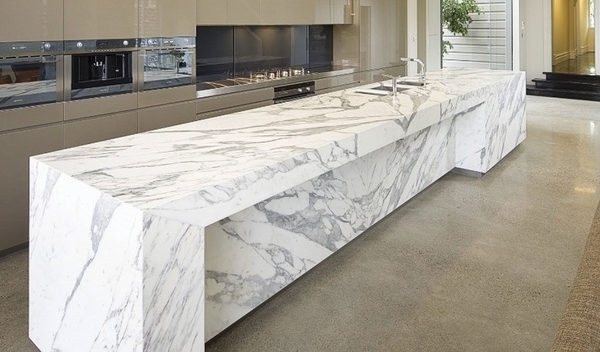
- Babylon Grey Marble from Türkiye: Known for its calming yet sophisticated appearance, Babylon Grey marble adds a touch of refinement to any kitchen island. Its subtle grey tones and intricate veining create a serene and elegant atmosphere, perfect for those who appreciate understated luxury.


Italian Classic Travertine


- Italian Classic Travertine: This timeless material combines primitive and modern elements, offering a sense of beauty that transcends trends. Its natural variations and earthy tones bring a warm and inviting feel to the kitchen, making it a versatile choice for both traditional and modern settings.


The Secret Realm of Bathroom Wash Basin and Sink


The bathroom is a sanctuary, and our natural stone wash basins and sinks elevate this space to new heights of luxury and comfort:


Iran Red Travertine.jpg


- Iran Red Travertine Washbasin: The ochre red color of this travertine, combined with its natural holes, creates a luxurious and mysterious ambiance. Each piece is unique, adding a one-of-a-kind touch to your bathroom decor.


Italian Silver Travertine & Velvet Red Quartzite


- Italian Silver Travertine Countertop: The beige color tone of this travertine perfectly balances the spatial color palette, while its delicate texture and interplay of light and shadow add a sophisticated touch. It is a perfect choice for creating a harmonious and elegant bathroom environment.


- Velvet Red Quartzite: With its warm touch and uniform texture, Velvet Red quartzite adds a subtle sense of luxury to the bathroom. Its rich red hue and smooth surface make it a focal point that enhances the overall aesthetic of the space.


Tabletop and Coffee Table Lifestyle Collection


Beyond their practicality, our natural stone tabletops and coffee tables serve as the finishing touch to home decoration, bringing a sense of elegance and sophistication to any living area:


Iran Jurassic Traonyx Travertine & Bella White Marble & Lazy Sunday Marble from China


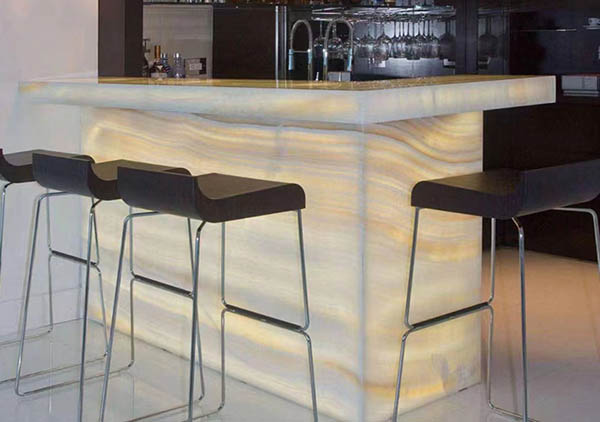
- Iran Jurassic Traonyx Travertine: The flowing texture and semi-transparent quality of this travertine add a touch of mystery and nobility to coffee tables. Each piece is a unique work of art, enhancing the visual appeal of your living space.


- Bella White Marble from China: Pure white and flawless, Bella White marble features simple and smooth lines that showcase the subtle beauty of Eastern aesthetics. It is a perfect choice for those who appreciate minimalist design and timeless elegance.


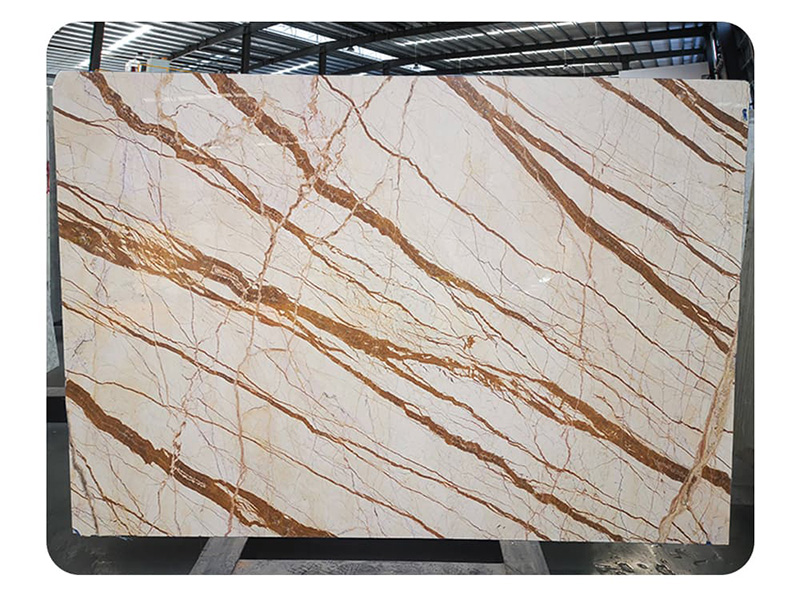
- Lazy Sunday Marble from China: The warm tones and natural decorative effect of Lazy Sunday marble create a feeling of harmony and balance. It invites a sense of relaxation and well-being, making it an ideal choice for creating a cozy and inviting living environment.


At STONELINK, we are committed to delivering the highest quality natural stone products that not only meet but exceed your expectations. Our 13 years of experience in the industry have equipped us with the knowledge and skills to create custom solutions that transform your home into a space of beauty and functionality. Whether you are looking to revamp your kitchen, enhance your bathroom, or add a touch of elegance to your living area, we are here to help you achieve your vision.


Contact us today to discover how our natural stone countertops and decor can bring your dream home to life.


READ MORE >

Quartz vs. Sintered Stone Which is Better?

Quartz and sintered stone are currently widely used in areas such as cabinets, floors and wall decoration. They have different properties and advantages, and choosing which material is better depends on the specific scenario and personal preferences of the customer. The following is an in-depth analysis of the differences between quartz and sintered stone from the three perspectives of composition and manufacturing process, board strength and aesthetics.


1. Composition and Manufacturing Process

Quartz: Quartz is made of about 90-95% natural quartz crystals mixed with resins, polymers and pigments. The resin binds the quartz particles together to make it a strong and impermeable surface. The manufacturing process makes the quartz surface highly uniform, with a certain aesthetic and practicality.


Sintered Stone: It is a new type of porcelain material made from natural raw materials through a special process, with the help of a 16,000-ton press, combined with advanced production technology, and fired at a high temperature of more than 1200°C. Sintered stone is subjected to high temperatures and pressures during the production process, making it very strong and durable, with a natural stone texture. OEM sintered stone is also available upon request.

 oem sintered stone

2. Plate Strength

Quartz:

Very durable, resistant to scratches, impacts, and stains.

However, quartz is less resistant to high temperatures than sintered stone, and exposure to high temperatures (such as hot pots) may damage the surface.


Sintered Stone:

Extremely durable, with strong resistance to wear, impact, heat, and UV rays.

Ability to withstand high temperatures (up to 1500°F or 800°C), making it an ideal choice for high-temperature environments such as kitchen countertops. Some OEM sintered stone are inlaid with appliances such as induction cookers.

 design Whole house

3. Aesthetics and Design Options

Quartz:

Available in a variety of colors, textures, and finishes.

Usually with a uniform pattern, quartz has a consistent texture and color due to the manufacturing process, making it suitable for those who like a uniform style.

There are styles that imitate natural stone, as well as monochrome or striped designs, which meet a variety of design needs.


Sintered stone:

Provides a wide range of colors, textures and surface treatments, usually imitating natural stone such as marble, granite, etc.

Sintered stone has a very diverse appearance, with natural textures and unique textures, which is particularly suitable for customers who pursue personalized design and are used to design whole house.

Because ultra-thin luxury sintered stone can be produced (as thin as 3cm), it can be composited on door panels such as cabinets and wardrobes, presenting a luxurious design sense.

 luxury sintered stone

In general, quartz and sintered stone are both very good materials, and the specific choice depends on your project requirements. If it is used in places where high temperature resistance is required (such as kitchens), sintered stone may be a better choice.

READ MORE >

The production process of sintered stone

Sintered stone is a new type of material made by ultra-high temperature sintering. It is widely used in TV background walls, kitchen countertops, bathrooms and other fields. The production process of sintered stone includes several key steps, and each step needs to be precisely controlled.


1. Choose the right raw materials

The production of sintered stone begins with the selection of raw materials, usually natural ores, clay and other raw materials. These raw materials are carefully selected to ensure good physical properties such as hardness, wear resistance and heat resistance. In order to meet the needs of different customers, different pigments are also added to create unique color effects.

cheap sintered stone

2. Batching and mixing

The raw materials are proportioned in a certain proportion and mixed by automated equipment. When batching, some special additives such as plasticizers or anti-fouling agents are also added to improve processing performance and long-term use.


3. Pressing and molding

The mixed raw materials will be pressed into the shape of plates or bricks by high-pressure equipment. During the pressing process, the raw materials are tightly combined under high pressure to form a dense material structure. This step ensures the high strength and good impact resistance of the sintered stone. The design of the mold also provides sintered stone products of different sizes and shapes according to market demand.


4. Sintering process

The pressed raw materials are sintered at a high temperature of about 1300℃, and the minerals in the raw materials react chemically to form a strong and durable material structure. The sintering temperature and time of the sintered stone must be controlled very accurately to ensure that the hardness and glossiness of the final product meet the established requirements.

high quality sintered stone

5. Cooling and post-processing

After sintering, the sintered stone needs to be cooled slowly to avoid cracks or deformation due to temperature changes. After cooling, the sintered stone will be cut, ground and polished to improve its surface smoothness.


6. Inspection and packaging

Finally, the batch of sintered stones will be sampled to check whether their size is correct and whether the gloss is sufficient. Finally, the sintered stones are packaged and sent all over the world.

foshan floor tile

Through the fine production process, sintered stones have the advantages of high hardness, high temperature resistance, and strong stain resistance. They are widely used in modern architecture and home decoration, meeting people's dual needs for beauty and durability.

READ MORE >

How can natural - stone stair treads be made durable?

Natural granite or marble stairs are very common products. They are indispensable for stair treads in home decoration, hotels, airports, subways, and high-speed railway stations. We often use some black granite and white marble to make the treads and risers of the stairs. These natural stones are sturdy and durable, and can also enhance the grade of the building. However, since there are many people walking on them, the steps and risers need to be sturdy to ensure that they will not be broken or fractured during use and to guarantee safety. Nevertheless, it is not difficult for us to find that due to unreasonable designs, the stair treads are prone to breakage, which affects both their appearance and safety.


To prevent the occurrence of chipping and corner-breaking phenomena on the stair treads, the following six points should be noted during the design:
(1) The depth of the grooves on the stair treads should not be greater than 2 mm.
(2) The spacing between the grooves on the stair treads should be greater than 10 mm.
(3) The overhanging length of the front end of the stair tread panel should not exceed 5 mm beyond the riser.
(4) The distance between the first groove on the stair tread and the front end of the stair tread is preferably greater than 20 mm.
(5) The number of grooves on the stair tread should not exceed five.
(6) The thickness of the stair tread stone should be greater than 20 mm.


READ MORE >

Unlocking the Potential of Stone Profiling, Cutting, and Polishing Machines

Unlocking the Potential of Stone Profiling, Cutting, and Polishing Machines


In the world of stone processing, precision and quality are paramount. As the demand for aesthetically pleasing and durable stone products grows, so does the need for advanced machinery that can enhance production efficiency and product quality. Here, we explore the transformative capabilities of three key machines: the stone profiling machine, stone cutting machine, and stone polishing machine.


1. Stone Profiling Machine: Shaping Perfection

The stone profiling machine is designed to create intricate profiles and edges on stone surfaces, allowing manufacturers to produce customized designs that cater to the unique needs of their clients. This machine employs advanced technology to ensure precision, reducing material wastage and optimizing the production process. With features like adjustable cutting heads and speed controls, operators can easily adapt to different stone types and desired profiles.


Key Benefits:

  • Customization:Create bespoke designs for countertops, tiles, and decorative pieces.
  • Efficiency:High-speed operation reduces production time without compromising quality.
  • Versatility:Suitable for various stone materials, including granite, marble, and quartz.


2. Stone Cutting Machine: Precision Meets Power

The stone cutting machine is an essential tool for any stone fabrication workshop. Equipped with diamond blades and powerful motors, these machines can slice through even the toughest stones with remarkable precision. Whether you're working on large slabs or intricate designs, a reliable stone cutting machine ensures clean cuts that minimize the need for additional finishing work.


Key Benefits:

  • Accuracy:Laser-guided cutting technology delivers flawless results.
  • Durability:Built to withstand rigorous daily use, ensuring long-term performance.
  • Safety Features:Modern machines incorporate safety mechanisms to protect operators during cutting processes.


3. Stone Polishing Machine: A Finishing Touch

Once the stone has been cut and shaped, the next step is polishing. The stone polishing machine is designed to give stone surfaces a high-gloss finish that enhances their natural beauty. By utilizing specialized polishing pads and compounds, these machines can effectively eliminate scratches and imperfections, resulting in a flawless surface.


Key Benefits:

  • Superior Finish:Achieve a mirror-like shine that highlights the stone's unique patterns.
  • Time-Saving:Automated polishing processes significantly reduce labor time.
  • Eco-Friendly Options:Many modern machines utilize water-based polishing compounds, reducing environmental impact.


Elevate Your Stone Processing

Investing in a stone profiling machine, stone cutting machine, and stone polishing machine can transform your stone processing operations. These machines not only enhance efficiency and product quality but also enable you to meet the growing demands of your clients. As the stone industry continues to evolve, staying ahead with innovative machinery will ensure your business remains competitive.


Unlock the full potential of your stone products today and elevate your craftsmanship with our state-of-the-art machines. Contact us for more information on how our solutions can benefit your production line!

READ MORE >

Luxury Sintered Stone Slabs Redefining Elegance in Bathroom Design

Have you ever dreamt of transforming your bathroom into a luxurious sanctuary? The answer lies in the introduction of luxury sintered stone slabs. This innovative material combines the beauty of natural stone with the strength and durability of advanced technology. With its outstanding characteristics and versatile applications, sintered stone is revolutionizing the world of interior design.

  1. What makes luxury sintered stone slabs a game-changer?

Imagine a material that offers unparalleled durability, exceptional heat resistance, and resistance to scratches and stains. Luxury sintered stone slabs provide all this and more. Made by compacting minerals, pigments, and binders under extreme heat and pressure, these slabs possess remarkable strength and resilience. Whether used for countertops, shower walls, or flooring, sintered stone can withstand the rigors of daily use, maintaining its impeccable appearance for years to come.

  1. How do sintered stone tiles enhance bathroom aesthetics?

Sintered stone tiles are not just practical but also visually stunning. These tiles come in a wide range of colors, patterns, and textures, allowing you to create a personalized and luxurious bathroom retreat. With options like marble-look sintered stone slabs, you can achieve the elegance of natural stone without the maintenance challenges. Whether you prefer a minimalist, modern look or a rustic, earthy feel, sintered stone tiles offer endless design possibilities.

  1. What about large polished ceramic wall tiles?

If you desire a sleek and sophisticated bathroom design, large polished ceramic wall tiles are a perfect choice. These tiles not only add a touch of elegance but also create an illusion of spaciousness, making your bathroom appear larger. With their glossy finish, these tiles reflect light, brightening up the space and creating a luxurious ambience. Whether you opt for a monochromatic color scheme or a bold pattern, large polished ceramic wall tiles will transform your bathroom into a stylish haven.

  1. How can sintered effect porcelain tiles elevate any room?

Sintered effect porcelain tiles offer the perfect blend of aesthetics and practicality. With their authentic appearance resembling natural stone, these tiles bring a touch of timeless elegance to any room. Whether it’s the living room, kitchen, or hallway, sintered effect porcelain tiles add sophistication and create a warm and inviting atmosphere. Furthermore, these tiles are low-maintenance and highly resistant to water, making them an ideal choice for high-traffic areas.

  1. Why should you choose porcelain living room tiles?

When it comes to the living room, durability and beauty are key factors. Porcelain living room tiles excel in both aspects. With their remarkable strength and resistance to wear and tear, porcelain tiles can withstand the demands of daily life. Moreover, they come in various sizes, patterns, and finishes, allowing you to create a unique and visually captivating space. Whether you prefer a classic or contemporary style, porcelain living room tiles offer endless design possibilities.

In conclusion, the introduction of luxury sintered stone slabs, sintered stone tiles, large polished ceramic wall tiles, sintered effect porcelain tiles, and porcelain living room tiles has given a new dimension to interior design. With their exceptional durability, aesthetics, and versatility, these materials redefine the concept of luxury in bathrooms and living spaces. Elevate your home with these exquisite options and indulge in the elegance and durability they bring to your space.

READ MORE >

Embracing Elegance Introducing White Living Room Sintered Stone

White living room sintered stone offers a bold and sophisticated design choice for homeowners looking to elevate their living spaces. With its impeccable quality and striking aesthetic, this innovative material has become increasingly popular in the world of interior design. In this article, we will delve into the introduction of white living room sintered stone, along with other luxurious options such as OEM large-size tiles, customized luxury bedroom wall tiles, natural marble sintered stone, and 1200x2400mm white bathroom flooring tiles. Let’s discover how these materials can transform your home into a haven of opulence.

White Living Room Sintered Stone: The Epitome of Sophistication

White sintered stone is a unique creation of modern technology and natural beauty. Crafted with an intricate manufacturing process, this material offers the perfect balance between durability and elegance. Its smooth, seamless surface and pristine white color create a sense of purity and tranquility in any living room. The inherent strength of sintered stone ensures it can withstand daily wear and tear, making it an ideal choice for high-traffic areas.

OEM Large-Size Tiles: Personalized Magnificence

If you desire to make a statement with your flooring, OEM large-size tiles are a perfect fit. These tiles break away from the norm, offering a larger surface area to showcase intricate patterns and designs. By opting for OEM large-size tiles, you can create a one-of-a-kind living space that reflects your personal style and exudes grandeur.

Customized Luxury Bedroom Wall Tiles: Exquisite Imagery

Your bedroom is your sanctuary, and it deserves to be adorned with elegance. Customized luxury bedroom wall tiles bring a touch of artistry and individuality to this intimate space. Whether you prefer intricate mosaics, geometric patterns, or floral motifs, these tiles can be tailored to suit your aesthetic preferences. The result is a bedroom that speaks volumes about your refined taste.

Natural Marble Sintered Stone: Timeless Beauty

For centuries, marble has been synonymous with luxury and refinement. Now, with natural marble sintered stone, you can enjoy the timeless beauty of this coveted material in a more durable and sustainable form. With its characteristic veining and polished finish, natural marble sintered stone adds a touch of classical opulence to any room, without the maintenance concerns associated with traditional marble.

1200x2400mm White Bathroom Flooring Tiles: Creating Serenity

The bathroom is a space where you can unwind and rejuvenate. With 1200x2400mm white bathroom flooring tiles, you can transform this often-overlooked room into a serene oasis. These large tiles minimize grout lines, giving a seamless and spacious appearance to your bathroom. The clean white color evokes a sense of purity and tranquility, making every visit to the bathroom a luxurious experience.

In conclusion, the introduction of white living room sintered stone, along with other luxurious tile options, opens up a world of possibilities for homeowners seeking elegance and sophistication. Whether you choose the pristine white sintered stone for your living room, personalized large-size tiles for a striking floor, or marble sintered stone for its timeless beauty, these materials will undoubtedly elevate your home’s aesthetic. So why wait? Embrace the allure of luxury and turn your house into a haven of elegance and refinement.

READ MORE >

Understanding Strontium Carbonate A Versatile Compound

Strontium carbonate is a fascinating compound that finds use in various industries. Let’s delve into different aspects of this compound and its various forms.

1. What is Strontium Carbonate?

Strontium carbonate, with a chemical formula SrCO3, is a white, odorless powder that is soluble in water. It is derived from the mineral celestine and can be synthesized using a reaction between strontium chloride and sodium carbonate. This versatile compound has a wide range of applications across different sectors.

2. Strontium Carbonate Powder: Properties and Uses

Strontium carbonate powder is a finely ground form of the compound. It is known for its high purity levels and can have different grades based on its purity percentage. The most common grades available in the market are 99.8%, 99.5%, and 97%.

The high purity of strontium carbonate powder makes it ideal for use in the ceramic industry. It acts as a flux, enhancing the brightness and color of ceramics. It is also used in the production of ferrites, glass, and pigments. In fireworks and pyrotechnics, strontium carbonate is employed to produce a vibrant red color.

3. Applications of Strontium Carbonate

a. Ceramics and Glass

Strontium carbonate is extensively used in the ceramics and glass industries. It acts as a flux, reducing the melting point and increasing the glossiness of ceramics and glass products. It is valued for its ability to produce a smooth, bright finish and enhance the overall appearance of the final product.

b. Pyrotechnics and Fireworks

Pyrotechnics and fireworks owe their captivating red hues to strontium carbonate. When ignited, the compound releases strontium ions, which produce a vivid red flame color. This characteristic makes it a staple ingredient in producing red fireworks and flares.

c. Metallurgy

In metallurgy, strontium carbonate is used as a refining agent and for modification of alloys. It improves the mechanical properties of metals, such as aluminum, by effectively reducing the size and distribution of their grains.

d. Pharmaceutical Industry

Strontium carbonate has also found its way into the pharmaceutical industry. It is a precursor for the production of strontium salts, which are used as dietary supplements to promote bone health and reduce the risk of osteoporosis.

4. Conclusion

Strontium carbonate, in its different forms, offers tremendous value across various industries. Its applications in ceramics, pyrotechnics, metallurgy, and pharmaceuticals highlight its versatility and importance. With its ability to enhance colors, improve mechanical properties, and support bone health, this compound plays a vital role in many aspects of our daily lives.

READ MORE >